

GCSE preparation is overshadowing the education of 11- to 14-year-olds in England, according to research commissioned by the International Baccalaureate (IB). A new report has found that exam preparation is shaping the curriculum years before students sit their GCSEs, prompting calls for Key Stage 3 to place greater emphasis on curiosity, confidence and practical learning.
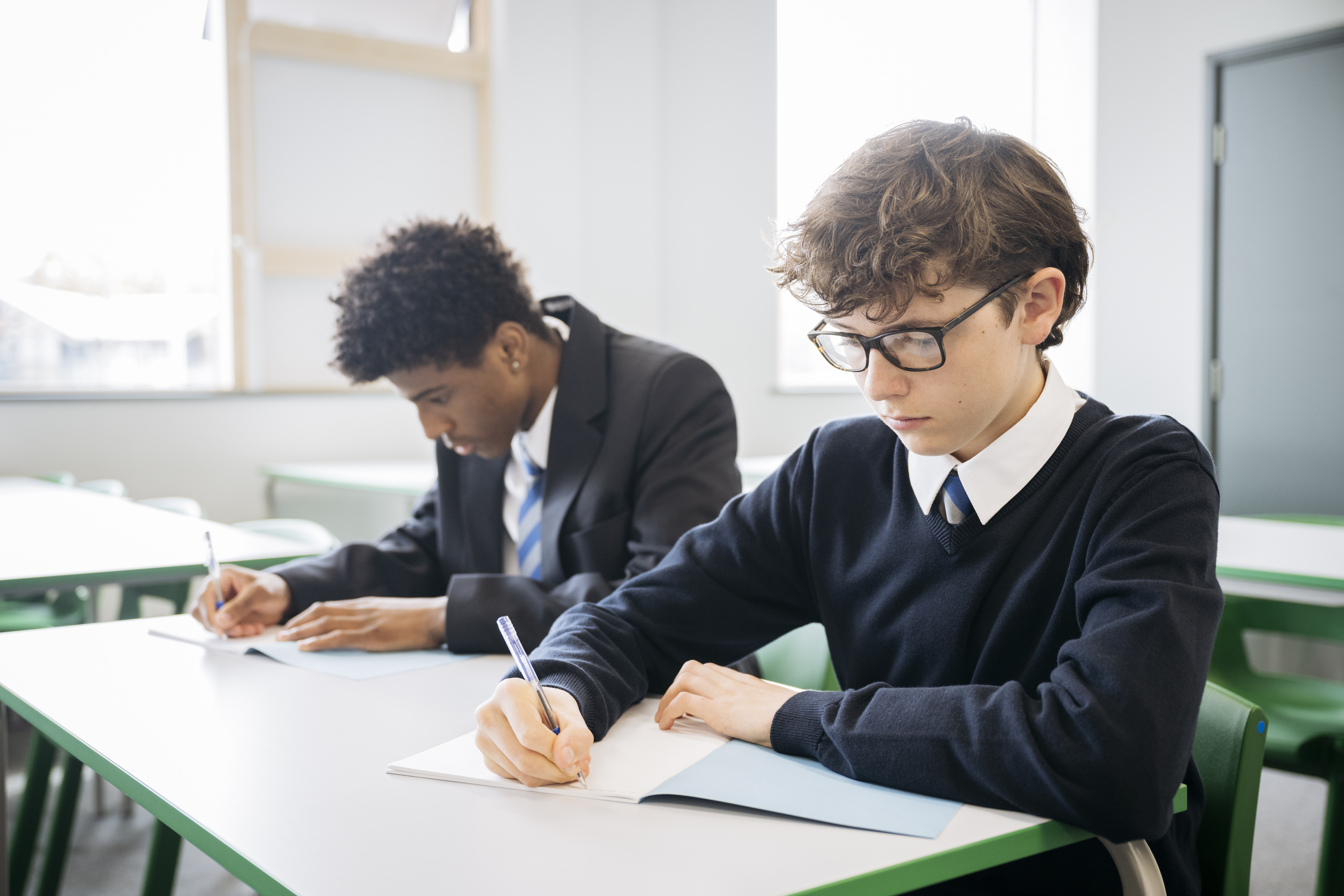
The IB commissioned PF Global to conduct the research, bringing together the views of students, parents and teachers alongside insights from education experts and school leaders. The report, Education’s Overlooked Middle Child: Reclaiming Key Stage 3, examines the experiences of students aged 11 to 14 and the challenges facing schools in delivering a meaningful and balanced education during these years.
The findings reveal that 57% of teachers surveyed identified GCSE preparation as a leading influence on the Key Stage 3 curriculum. Though a quarter of parents said GCSE preparation was currently the main purpose of these years, only 11% believed it should be the priority. The research also found that only 36% of students could see how their learning related to life beyond examinations or a future career in most or all lessons.
The report highlights the impact of these pressures on students’ experiences and teachers’ ability to deliver relevant, engaging learning. Almost four in ten teachers surveyed said Key Stage 3 received less leadership attention than the examination years, while female students, those with special educational needs or disabilities, and those from disadvantaged backgrounds reported consistently poorer experiences.
“Schools need a shared understanding of what a good Key Stage 3 education should offer every child, backed by the time and support to deliver it,” said Olli-Pekka Heinonen, Director General of the IB. “That means giving these years proper attention in their own right, with lessons that build knowledge, encourage curiosity and help pupils grow in confidence.
“GCSE preparation too often dominates the school day, leaving little space for pupils to explore their interests and understand how their learning connects to the world around them.”
The report calls on government, schools and trusts to establish a shared purpose for Key Stage 3, supported by lessons that build knowledge, encourage curiosity and give students opportunities to apply what they learn. The research also highlights the importance of sustained support as students transition from primary to secondary school.
The IB’s Middle Years Programme (MYP) is designed to bridge education and real-world applications. It challenges students to connect classroom learning with global issues and emphasizes critical thinking, self-directed learning, and civic responsibility. The adaptable five-year programme covers ages 11-16 and prepares students for advanced study, such as the Diploma Programme (DP) or Career-related Programme (CP), as well as preparing them to thrive in their personal and professional lives well beyond school years.
Read the full report: Education’s Overlooked Middle Child: Reclaiming Key Stage 3.
. A new report has found that exam preparation is shaping the curriculum years before students sit their GCSEs, prompting calls for Key Stage 3 to place greater emphasis on curiosity, confidence and practical learning.)